MS PALMER'S CLASSROOM - APPLIED BEHAVIOUR ANALYSIS (ABA) IN ACTION - ACADEMIC AND BEHAVIOUR SUPPORT FOR TEACHERS AND STUDENTS
Search
  • Blog/Home
  • ABA Classroom
  • Curriculum
    • Science >
      • Science
      • Salmon in the Classroom
      • Grade 4 Science - Habitat and Communities >
        • Habitat Vocabulary
      • Grade 5 Natural Resources
      • Grade 5 Science - The Human Body >
        • Grade 5 Human Body Lesson 1 Body Systems
        • Grade 5 Human Body Lesson 2 Digestive System
        • Grade 5 Human Body Lesson 3 Respiratory System
        • Grade 5 Human Body Lesson 4 Circulatory System
        • Grade 5 Human Body Lesson 5 Your Heart
        • Grade 5 Human Body Lesson 6 Your Blood
        • Grade 5 Human Body Lesson 7 Skeletal System
        • Grade 5 Human Body Lesson 8 Muscular System
        • Grade 5 Human Body Lesson 9 Your Skin
        • Grade 5 Human Body Lesson 10 Nervous System
        • Grade 5 Human Body Lesson 11 Your Brain
        • Grade 5 Human Body Lesson 12 Your Senses
        • Grade 5 Human Body Lesson 13 Nervous System Interaction
        • Grade 5 Science Videos
      • Grade 6 Science - The Diversity of Life >
        • Grade 6 Diversity of Life Lesson 2.5 Animal Kingdom
        • Grade 6 Diversity of Life Lesson 2.6 Plant Kingdom
        • Grade 6 Diversity of Life Lesson 2.7 Other Kingdoms
        • Grade 6 Science Videos & Text
      • Science Resources
    • Math >
      • Direct Instruction (DI) Connecting Math Concepts >
        • Connections - Math Games
      • Math Focus Unit 1 - Patterns >
        • Patterns 1 - Simple Patterns
        • Patterns 2 - Understanding Patterns
        • Patterns 3 - Growing Patterns and Function Tables
        • Patterns 4 - Gr 4 Lesson 7
      • Math Focus Unit 2 Numeration
      • Teacher Math Resources
    • Language Arts >
      • Spelling
      • Earth Day
      • Graphic Organizers
    • Social Studies >
      • Social Studies
      • How Canada Began
      • Mapping our World
      • Canada - From Sea to Sea to Sea
      • Confederation
      • The Fur Trade
      • Early First Nations Fishing
      • Early Fishing Industry
      • Social Studies Links
      • Remembrance Day
    • The Arts >
      • Great Art Masters >
        • Impressionism - Edvard Munch
        • Impressionism - Claude Monet
        • Impressionism - Vincent Van Gogh
      • The Arts Teacher Resources
  • Self-Regulation & Social Skills
    • The Zones of Regulation >
      • Zones of Regulation 2
    • My 1 - 5 Scale of Control
    • Second Step - Grade 5
    • Relaxation/Mindful Thinking
    • Video Modelling
    • Stop & Think
  • New Teachers Conference
  • Parent Page
    • Supportive Learning - Classroom >
      • Supportive Learning - Program
      • Supportive Learning - School & Home Responsibilities
      • Supportive Learning - Parental Agreement
      • Supportive Learning - Classroom Economy >
        • Expected Behaviours for our Classroom
        • "Off Points" Choices
        • Classroom Cash Choice Menu
        • Daily Behaviour Log
  • Student Page
    • Student Presentations
    • Speller's Choice Online
    • Tic Tac Toe Online
    • Language Arts Games
    • Social Studies Games >
      • Canadian Geography Quiz
    • Math Games >
      • Math Workshop Puzzle
    • Science Games
  • Videos
  • Power Play Program
  • Remembrance Day
  • Helpful Teacher Tools
  • New Page

Math        Language Arts          Social Studies        Science         The Arts

Students take part in academic subjects such as Language Arts, Math and Science either in their regular education classroom or in the Social Learning classroom as determined by their learning requirements.   All students have Individualized Education Plans which provide individualized goals and adaptations in areas of particular student needs.  Throughout the day, students receive extra support in self-regulation, social skills and learning strategies from the Social Learning staff in our classroom, on the playground and in other school locations.

Our classroom follows the B.C. curriculum using many teaching strategies, materials and supports.   We use a multisensory approach using music, computers, tactile, and visual supports to provide students with multiple ways to learn.  We also focus on social-emotional learning using a number of resources.

Here are a few of the resources we are using.

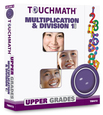
TouchMath
Picture
Multisensory support for Multiplication,
Division, Fractions and Problem Solving

Spelling City

Picture
Spelling City allows students to work on personalized spelling lists using their visual and auditory senses and practice in a game format.  Was spelling ever this much fun?
Go Find a List and type in teach27 to get to our classroom.

Powered by Create your own unique website with customizable templates.